Alberta Cross, Dingwalls, Camden Town, March 15th 2010
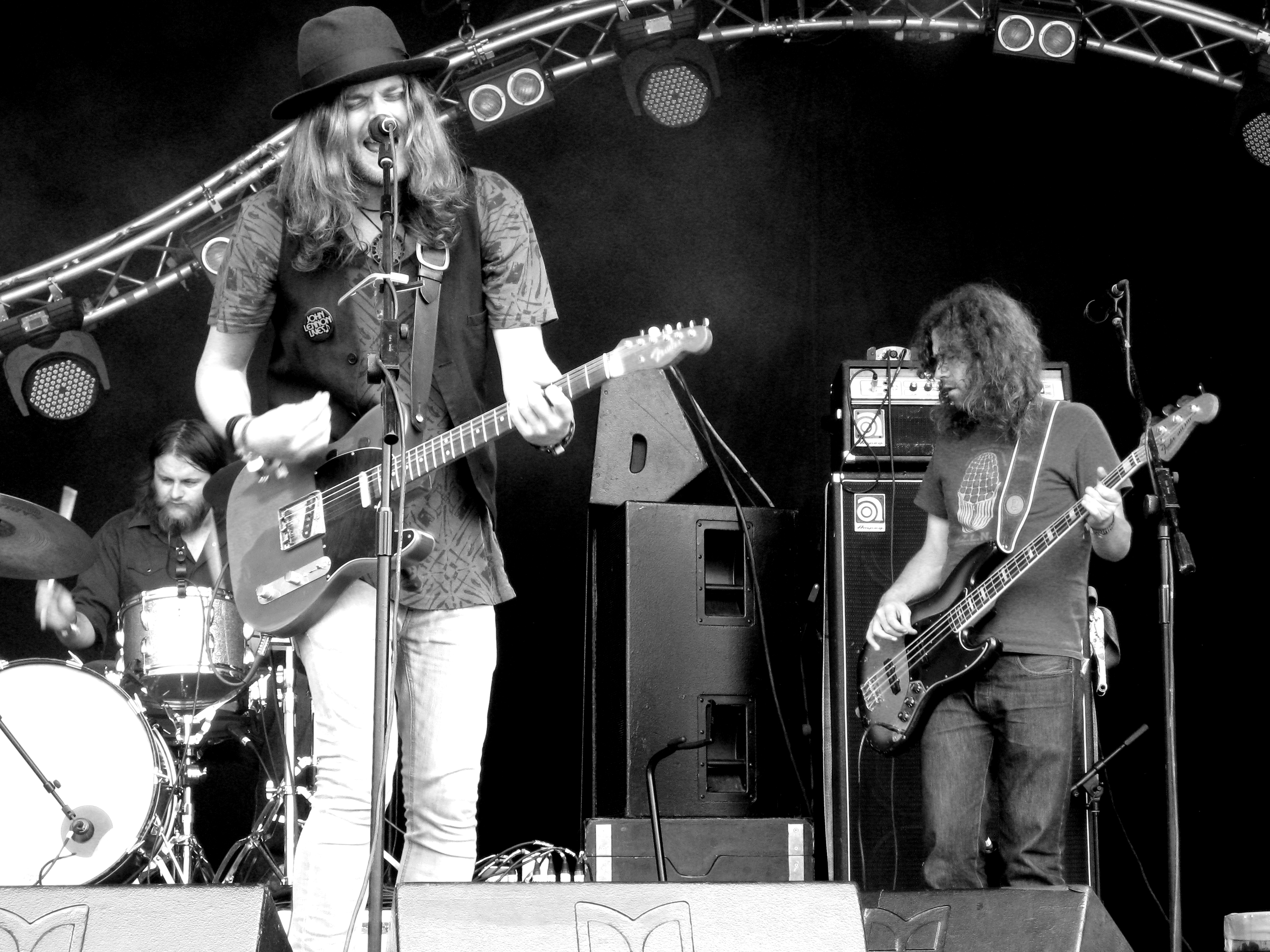 Heavy rock band Alberta Cross have been away from these shores for a while. Originally a hook-up between an expatriate Swede and an Eastender, they’re now expanded and based in Brooklyn. The Suit and I first saw them three years at the 100 Club and were very impressed. Their music leans heavily on past masters such as Zeppelin, Crazy Horse, Pearl Jam and the Stones, but they’ve engineered very much their own sound.
In more recent years, it seems that most of their gigs in this country have been in support of big acts such as Oasis and Black Rebel Motorcycle Club. This time around, they’re supporting the Dave Matthews Band, which is slightly bizarre – I’m not sure what DMB’s cocoa-and-slippers brigade make of these heavy hairy stoners, but I’d love to see the looks on their faces. In between DMB megashows, they’ve managed to squeeze in this ‘initmate’ gig at Dingwalls, which is fine by me.
By the by, I was confused to read that Alberta Cross are promoting their debut album Broken Side Of Time. So what was that CD I bought three years ago called The Thief And The Heartbreaker then? Apparently it’s been recast as an EP, but with seven tracks compared to Broken Side Of Time’s ten, it’s a fine distinction. Especially as two of its tracks also appear on the new ‘album’. Whatevah…
I’m glad we turned up promptly, as the support were excellent young guns Treetop Flyers, whom The Suit and I saw several times last year and enjoyed their CSNYish tunes and harmonies. They didn’t disappoint on this occasion either and seemed to be appreciated by the increasingly intoxicated crowd (we were joined by the Browne Bluesman and later Mick the Banjo, so our own consumption accelerated somewhat too). They were off to SXSW in Austin the following morning, so good luck to ’em – they deserve it.
Alberta Cross finally appeared and it was clear early on in their set that the heavier, more shoegazy style of their album is winning out over the more melodic, slightly softer sound of their earlier stuff. This isn’t entirely welcome, as songs like Rise From The Shadows can tend to wander off in an early 90s sort of way. Still, there was plenty there to enjoy and their sound is spot on. Three years of heavy gigging have tightened them up, but they still enjoy a certain slackness and the hazy mumbled vocals emphasise that bleary Jack-Daniels-and-a joint-vibe.
Highlights were a long and spooky The Devil’s All You Ever Had and a rousing audience-participation version of the righteous Old Man Chicago. Here’s a video of it for your enjoyment:
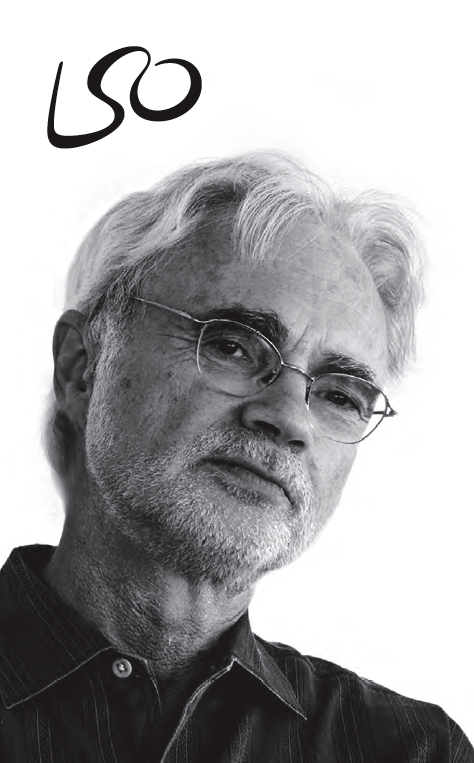 John Adams is one of that cohort of American composers including Philip Glass, Steve Reich and to an extent Michael Nyman who have ‘crossed over’ into popularity. Which is not to say they play popular music, but there’s something about their free use of demotic musical ideas that allows non-specialist listeners to enter the world of the modern orchestra and complex arrangements. Perhaps Leonard Bernstein was the first composer to make this crossover, but the roots go back to Gershwin nearly 90 years ago.
Of course, this popularity attracts vociferous critics from the world of classical music. Much like trad folkies or blues bores, they feel it necessary to defend some illusory ‘tradition’ against the musically eclectic barbarians at the gate. And like those people, they are wrong. All strands of music flow and evolve over time and that is a reason for celebration and continuing curiosity about human creativity.
I was brought up in a home that not only listened to pop, rock and folk, but also classical music. My mother, in addition to being something of a reggae fan on the side, listened to Radio 3 all day long, so I’m familiar with Beethoven, Mozart, Brahms, Bach and the rest of that pantheon. But there was something about the music of Reich, Glass and Adams that caught my ear in a different way.
I heard Adams’ fabulous Harmonium shortly after it was premiered and subsequently enjoyed listening to (but not seeing) his operas Nixon In China and The Death Of Klinghoffer. So I was intrigued by the chance to see the European premiere of his latest work, City Noir, a half-hour, three-movement homage to the seamy side of 40s and 50s LA. It’s inspired not only by Hollywood noir but also, in Adams’ words, by ‘reading the so-called Dream books by Kevin Starr, a brilliantly imagined, multi-volume cultural and social history of California’.
The first two movements play out a wide panorama of city streets, jazz clubs, dark corners and illicit liaisons, but the last movement, Boulevard Night, is a real tour de force. In his programme notes, Adams himself explains: ‘The music should have the slightly disorienting effect of a very crowded boulevard peopled with strange characters, like those of a David Lynch film – the kind who only come out very late on a very hot night.’ And it works, as the thundering influence of Stravinsky comes to the fore and the climactic final minute is some of the most exciting music I’ve heard for a long time.
Here’s the concluding part of that last movement from the piece’s premiere in LA last October:
 Damien Barber is best known as the front-man for hi-energy folk-rock-urban-dance act The Demon Barber Roadshow, but his softer side is revealed in his collaboration with Mike Wilson, the youngest of the Wilson Family, a fine clan of Teesside folk-singers of the traditional English a cappella variety.
The Suit, N and I had warmed ourselves with a couple of delicious cocktails from round the corner, and turned up just as the Magpie’s Nest Folk Club open mic session was finishing. The evening was sparsely attended, which is a shame, as the two headline singers proved to be a wonderful example of the English folk-singing tradition.
Damien plays straightforward but evocative concertina as well as folk guitar in the percussive picking style, while Mike just makes use of his fine baritone voice. They kicked off with one of the evening’s several shanties, On Board A ’98’, followed by Ewan MacColl’s My Old Man. But this wasn’t just to be an evening of straight-up right-on traditional folk – the next number, from their great CD Under The Influence, was Al Stewart’s Nostradamus. Unexpected, but fun.
Many of the evening’s songs were from a mighty trio of British folk singers – Ewan MacColl, Dick Gaughan and Peter Bellamy. Highlights were the Napoleonic ballad The Green Linnet, Gaughan’s lovely Now Westlin Winds and Ewan MacColl’s moving The Joy Of Living:
Take me to some high place of heather, rock and ling,
Scatter my dust and ashes, feed me to the wind
So that I may be part of all you see, the air you are breathing.
I’ll be part of the curlew’s cry and the soaring hawk,
The blue milkwort and the sundew hung with diamonds,
I’ll be riding the gentle breeze as it blows through your hair,
Reminding you how we shared in the joy of living.
Here’s a clip of them from last year’s Cheltenham Folk Festival enjoying a fine shanty:
John Cale, Royal Festival Hall, London, March 5th 2010
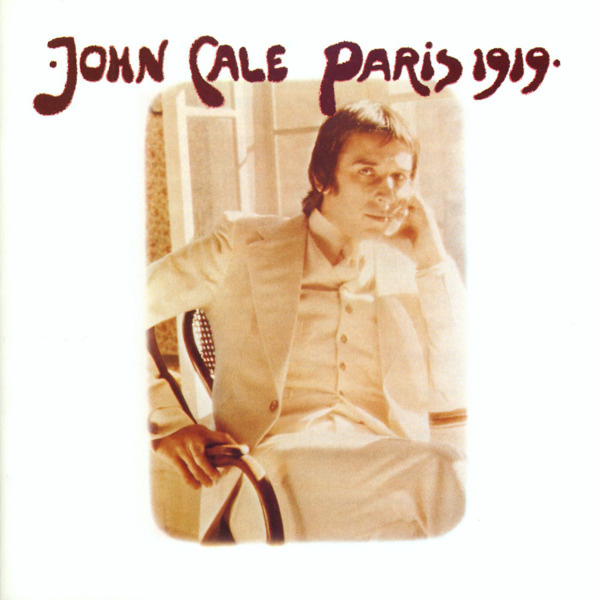
 John Cale’s Paris 1919, released in 1973, was the first of his albums that I bought and listened to incessantly. I’d heard his stuff with the Velvet Underground and got the album ‘sound unheard’ in about 1981. The lush orchestration, literary lyrics and variety of styles were not what I’d expected, But what I did hear was captivating – a ‘grown-up’ record with half-snatches of images, musical phrases and other tunes, both ‘pop’ and classical.
Its French connections and allusions to a traditional England were intriguing, and songs like Half Past France sounded like a parallel soundtrack to my life as I left home to travel around Europe for the first time on my own, feeling apprehensive but excited ‘somewhere between Dunkirk and Paris’. For that reason it’s the John Cale album I feel closest to, but it’s not my favourite – that worthless honour goes to Music For A New Society, his haunting and harrowing 1983 masterpiece that is currently and inexplicably unavailable.
Over the years I’ve seen Cale play solo, with a small band and with a large loud rock band, so this was another new experience to see him with an orchestra and band. In fact, ‘orchestra’ is a misnomer, as they were just strings and brass, which is not quite the same thing. I’d heard some soundchecking earlier in the day and appreciated that it must be quite a challenge to get the live sound just right with that combination of plugged and unplugged.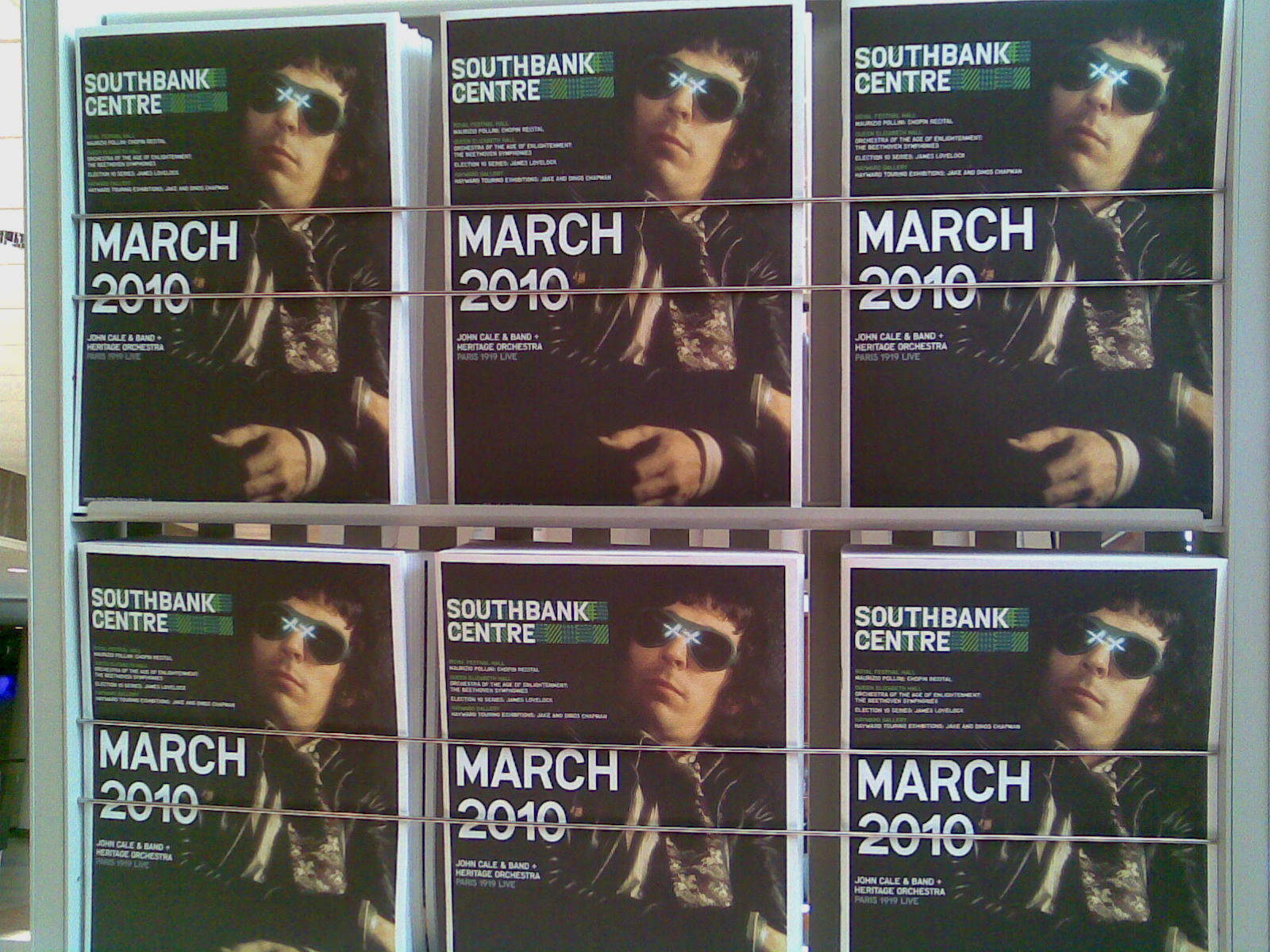
As Cale took to the stage in a dapper relaxed suit and the ensemble launched into A Child’s Christmas In Wales, my qualms about the sound were far from allayed. The electric band were too quiet, perhaps through fear of drowning out the strings, but I wanted to hear more from them – particularly the drums, played on the original album by the excellent Richie Hayward of Little Feat (while his compadre Lowell George contributed some fine guitar-playing to the album). Orchestrated it may be, but Paris 1919 is at heart still a rock ‘n’ roll album, and rock ‘n’ roll albums should have drums, bass and guitar. End of. This confusion is far from new: Reprise Records marketed Cale’s previous album, The Academy In Peril, as its first classical release.
Anyway, back to the show. The playing and singing was just fine, despite my reservations about the mix. In fact, the sound improved as the show went on. Hanky Panky Nohow was very sweet, as it was originally, and Endless Plain Of Fortune was a huge majestic beast of noise, with the band getting their sonic dues and meshing forcefully with the insistent strings. Very good indeed.
Andalucia, perhaps the prettiest song on the album, was performed beautifully, and then I had a shock – they were playing the opening strains of the song Paris 1919. But, but, but…? What happened to Macbeth? The one serious head-banging stomp on the album, with Hayward’s wild drums driving the whole shebang into glorious oblivion? Oh, I see. They weren’t going to play it. In fact, they played it last of all, following Antarctica Starts Here. Now that was a serious mistake. If you going to perform an album, play it in the order it was released. I’m not after it being replicated note for note – I’d rather stay at home, listen to the record and save myself forty-odd quid – but if you mess around with the order, you mess around with people’s memories of the album as a whole, to no good effect.
As it turns out, Graham Greene, Half Past France and Antarctica Starts Here were all performed really well, but the dying strains of that final track, with Cale half whispering, ‘Antarctica starts here…’ should be the album’s close. In my own fevered imagination, this is appropriate: the album’s as much about old England as it is about France, and it suggests that, for all the ghastly strictures and hidebound horrors of an England that was in 1973 fast disappearing, the future was likely to be even more bleak. That’s Cale’s miserabilism for you, and it’s the aspect of his character I find most compelling. ‘Might never happen,’ says the cheery Englishman. ‘On the contrary,’ says Mr Cale, ‘it will happen and it will destroy you…’
They trooped off-stage for a short interval and we’re faced with the usual problem on these occasions when an old album is played in its entirety – what do you do for the rest of the evening? The album runs not much beyond 32 minutes, so do you carry on with a greatest hits show or display some of your new wares? The latter course was taken by Sonic Youth when they reprised Daydream Nation at the Roundhouse a few years ago, but the suspicion then was that they were noticeably more enthusiastic about playing the new (and very fine) material that most of the audience in truth didn’t particularly care for.
Cale went for the greatest hits option, with some numbers just for him and the band – an angular Femme Fatale, the wonderfully grim Heartbreak Hotel and the ever-appropriate Fear – and the last few numbers for full band and orchestra, topped off by a very moody and magnificent Hedda Gabler. I enjoyed the evening a lot and to hear these songs in context was a real treat, but, oh, let’s play them in the right order next time, please.
It’s déjà vu all over again as I troop off with Astral and The Suit to see this lot for the second time in a week, on this occasion in the lovely-looking but deceptive Bush Hall. Deceptive because the sound in there is usually awful – booming vocals, rumbly bass and harsh, piercing trebles.
My fears were reinforced when Peter Bruntnell launched into the wonderful Cold Water Swimmer, accompanied by Dave Little on harmonium and backing vocals. The room was immediately awash with loud echo-ey reverberations, but miraculously, after a stern look from Peter to the sound-desk, the fuzzy noise-cloud gradually dispersed and the song emerged. Astral wasn’t convinced about the addition of the harmonium, but I like it. It adds a certain psych-space-junk edge to the sound.
Next was Domestico, another great song from his most recent album, Peter And The Murder Of Crows. The rest of the set was pretty much the same as in Tingewick, though he finished with a new one, Black Mountain UFO, that makes me look forward to hearing a new album soon.
 Richmond Fontaine took the stage and played pretty much the same set as in Tingewick, but, like Peter Bruntnell, they had the benefit of an extra member – long-time collaborator Paul Brainard on trumpet and pedal steel. The former instrument lends some of the songs a more south-western, Calexico-style sound, while the latter makes the dusty narrative songs more country-sounding, which doesn’t always work for me. Many of the narratives demand a sparser sound to fit the desolation of the lyrics.
The band was enjoying itself and even raised some cheers and back-chat from a typically reticent London audience. Willy enjoyed himself so much that he even tripped up on the first verse of Capsized… The sound by this stage was OK, but not great. Despite The Suit’s previous protestations to the band about Bush Hall’s sound, they still seem to like playing this venue, so I guess we’ll put up with it. And they did an admirable job on their ode to Portland, Montgomery Park. All in all, a slightly tempered but impressive performance.
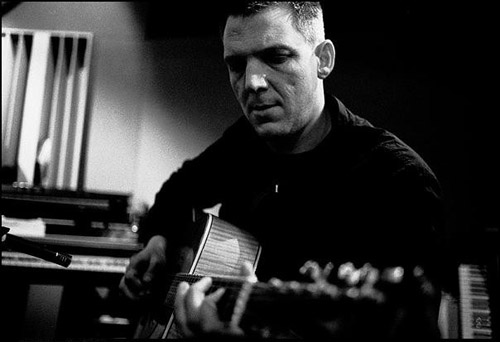 Stephen Cracknell is a bit of a man of mystery. Ostensibly the frontman for alt-folk outfit the Memory Band, he has enough fingers in enough musical pies to defy easy categorisation. His side-project band The Accidental, with a poppier and less folky feel than the Memory Band, seems to have foundered, but he also makes ‘computer music’ under the name Gorodisch, composes music for TV and film, runs a record label, used to be in Badly Drawn Boy’s band and has been quoted as saying that as a kid he wanted to be Nile Rodgers. So he’s no trad folk artist.
What’s more, the Memory Band itself has a fuzzy and varied identity, with members coming and going. It’s no surprise, then, that the more folky second album, Apron Strings, didn’t sound much like the first album’s folktronica. And the band for this evening’s goings-on at the Slaughtered Lamb, courtesy of the fine Electroacoustic Club, looked intriguing, comprising Stephen on guitar and vocals, ace upright bass player Jon Thorne, drummer Jon Page, singers Jess Roberts and Jenny McCormick, Sarah Scutt on accordion and recorder, Quinta on viola, and guest Sam Carter on guitar and vocals. True to form, two guests failed to show – Hannah and Liam from The Accidental.
Stephen said that they were putting the finishing touches to their third album (not a prolific output in 17 years…) and it’s fair to say that much of the evening felt like work in progress. They didn’t kick off until late either, so the set was rather short. No matter, there was lots of good stuff in there.
Opening song was Come Write Me Down from the band’s second album and, in true Memory Band style, its Copper Family roots were twisted into a fresher-sounding, lighter song with new lyrics. In addition to a number of songs from the forthcoming album – Electric Light, a spook-inducing Ghosts and A New Skin – they chose some intriguing covers, the first being Bon Iver’s Skinny Love, which Jess Roberts sang powerfully and movingly.
Another cover reflected one project that the band has been involved in – performing all the music from pagan cult movie classic The Wicker Man. Tonight they chose the sensuous Gently Johnny, which heightened the evening’s feeling of pagan celebration… although the tongue-in-cheek satanism of the Slaughtered Lamb’s basement bar venue – all black paint and upside-down pentagrams – could have confused the casual viewer as to the differences. This confusion became greater when Stephen introduced a fine cover of Love Is The Law by tortured English 60s bluesman Graham Bond, who ended his days believing he was the son of the dark loony himself, Aleister Crowley.
The tone lightened for their encore, No One Else, a lovely tune from the first album. So a good evening if not a great one. The new album is much anticipated all the same.
Here for your listening pleasure is I Wish I Wish, from Apron Strings. Sung beautifully by Nancy Wallace, it’s another example of Stephen Cracknell’s magpie-like instincts – an old song with a new tune (in this case, nicked from Rachel Unthank) and a bunch of disparate instruments that sound just right.
Straight from the Festival Hall (see below) I hot-footed it to Euston, to catch a train up to Bletchley to see Richmond Fontaine and Peter Bruntnell. Actually, hot-footed isn’t quite right – I squeezed in a swift pint at the wonderful Bree Louise, a pub right next to Euston that has at least four real ales on tap and six straight from the barrel. Nice.
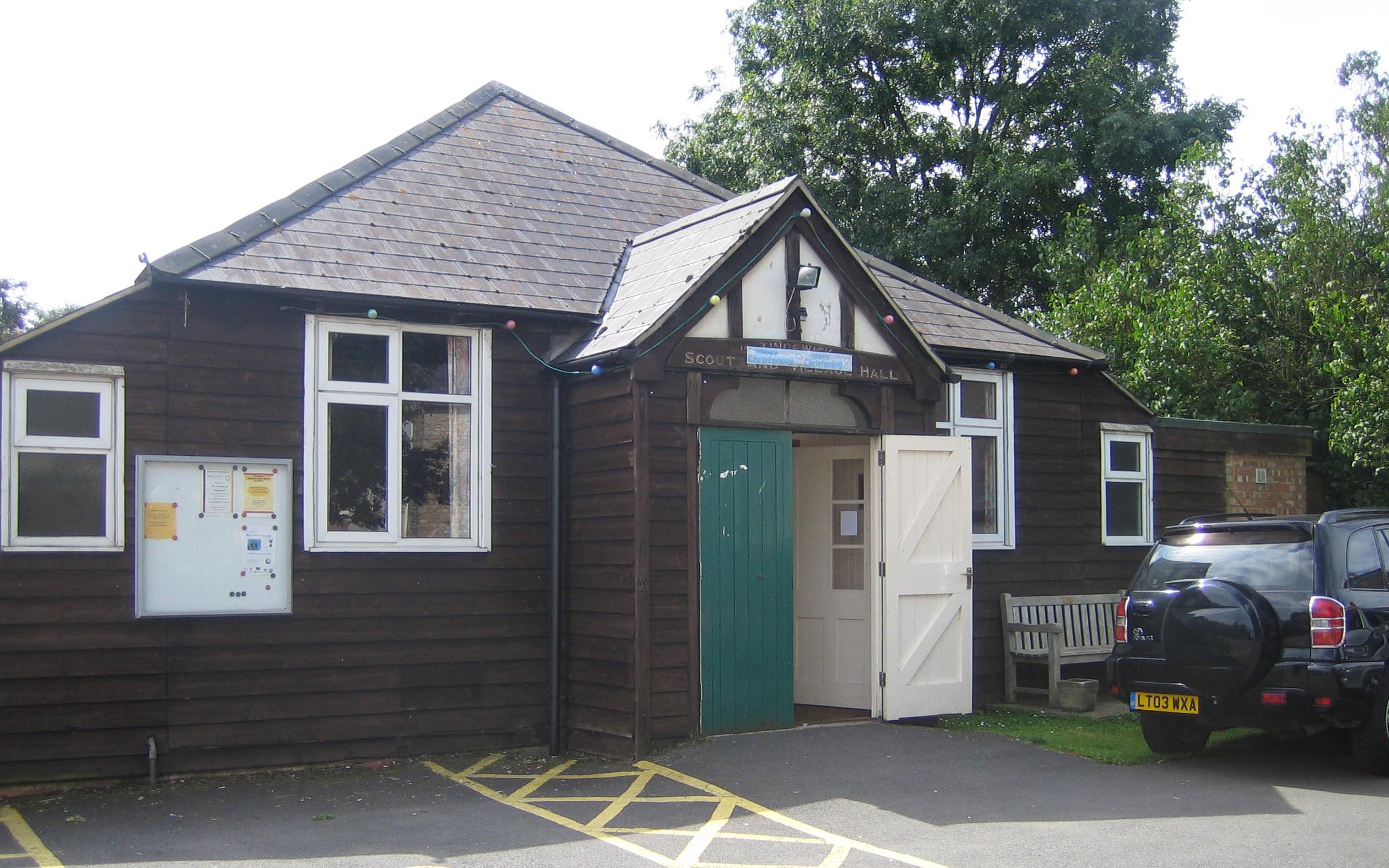
Tingewick Village Hall
You don’t want to hear the long and painful saga of how The Suit made it to the show, which was in the tiny village hall in Tingewick, near Buckingham, but suffice it to say we made it for most of Peter Bruntnell’s solo set.
If you know me, you’ve possibly been on the end of one of my enthusiastic gushes about Peter, who truly is ‘one of England’s best kept secrets’ as Rolling Stone once put it. If you’ve heard the gush, skip to the next paragraph. If you haven’t, then please read this heavily condensed version: Peter has put out seven great albums in the last fifteen years, covering rock, folk, folk-rock, pub rock, singer-songwriter ballads, space-junk psych rock, Neil Young-style riff-fests and the rest. I can’t think of a dud song he’s written and my high opinion is shared by about eight other people round the world. I exaggerate only slightly. Buy his music! Go to his gigs! That way he’ll be able to keep his family fed, clothed and housed and be able to buy a razor from time to time.
Anyway, back to the show. We helped ourselves to a couple of pints from the pub across the road – the village hall doesn’t have a bar, so the Royal Oak serves that purpose well. Peter was playing solo tonight and we had a mix of new songs (St Christopher, Maryanne) and older ones (Sea Of Japan, False Start, Clothes Of Winter). As usual, his songs are spot-on – beautifully written and brilliantly performed.
Richmond Fontaine, a dusty, narrative-driven country-rock bar band from Portland, Oregon, are not dissimilar from Peter in their relative lack of success. Despite being beloved of Uncut magazine, which greets every new Richmond Fontaine CD with a five-star review, the band barely fills a small venue such as Bush Hall when they play in London.
Perhaps it’s appropriate then that they’re playing this small venue out in the sticks. They certainly seemed to be enjoying themselves, as they opened with an extended instrumental jam, launching straight into The Longer You Wait, an edgy, driving number from their 2004 album Post To Wire, which was their ‘breakthrough’ album in this country – at least in the sense that a few people had now heard of them. They’d been together for ten years before that, and their experience shows in their carefully crafted songs and frontman Willy Vlautin’s mesmerising narratives.
Willy’s stories of desperation, poverty, loneliness, addiction, hope and love poured thick and fast from the band – The Boyfriends, Alison Johnson, Maybe We Were Both Born Blue, Two Broken Hearts, Moving Back Home #2 and more, all of them with that flavour of Raymond Carver’s America. This is a country of rootless ordinary people near the end of their tether and wanting to know why the world has turned out like this. It’s a merciless view and one that you feel is closer to the truth than most of those blue-collar rock stories from Springsteen, Tom Petty and the like. It’s the sound of the real world.
After the show, we hung out with the band, who are unfailingly friendly, as well as with Peter Bruntnell, who told me he’s recording a new album with the Walbourne Brothers, which is fine by me. The Royal Oak over the road happily ignored the licensing laws and the evening continued far longer than it should have done. And the band was staying in our Travelodge – ah, the heady world of rock ‘n’ roll.
 I first came across Mary Epworth at the Sandy Denny tribute bash at the Barbican nearly two years ago. Despite being perhaps the least known performer of the evening (those who turned out included Marc Almond, Dave Swarbrick, Jim Moray, most of Bellowhead, PP Arnold, Lisa Knapp and the peculiarly dreadful Baby Dee), Mary courageously opened the show with a fine rendition of one of Sandy’s Fairport song, Come All Ye, and later sang a sensitive Solo. Her poise and confidence were impressive and I made a mental note to see her again, but our paths hadn’t crossed since.
The Royal Festival Hall puts on regular free Friday lunchtime gigs in the bar, and they’ve proved popular, particularly among those I’ve dubbed the ‘freenior citizens’ – the oldies who travel around London for free, reading their free newspapers, drinking their flasks of tea and enjoying the delights of free London. Anyway, Astral, Mr P and I joined them to see Mary Epworth backed by her Jubilee Band, and very good they were too.
Stylistically, they veer from trad folk-rock to psychedelic rock to torch songs. These latter prove less successful, but they’re more than outweighed by the fine folkie stuff – including a stirring rendition of Shirley Collins’ version of The White Hare Of Howden – and especially by the more psychedelic songs, such as the current single, Black Doe, and Mary’s impressive cover of Aphrodite’s Child’s The Four Horsemen Of The Apocalypse. You don’t get much more psychedelic than that.
Mary’s own songs, such as The Saddle Song and Sweet Boy, are really very good, and I hope she continues to mine this seam of English psych-folk rather than go down the chanteuse route. She has a very fine voice and it would be a shame to waste it on dinner-goers at the Pigalle… her management, please take note.
Pere Ubu, The Garage, Islington, February 25th 2010
This gig was billed as ‘Pere Ubu will bring both ends of their career together in one special show at Relentless Garage on February 25, 2010, performing in its entirety their first album The Modern Dance and their latest Long Live Père Ubu! over the course of two sets.’ Not entirely true, as Pere Ubu main-man David Thomas is not someone whose onstage behaviour is predictable. That’s the only thing that’s predictable about him and, sure enough, three songs into the Ubu Roi set, he stopped the band with a wave of his arms and a cry of ‘F*cking hell! Where the f*ck are we?’ Long-time Ubu watchers (and, let’s face it, those are the only sorts of Ubu watchers there are) laughed, familiar as they are with David’s shambolic antics.
Even with a full set of lyrics in front of him, he forgets what he’s sung, sings things twice and rambles off into muttering, swearing oblivion. But this sense of anti-performance is what Pere Ubu have always been about. Yes, the music, when it’s on song, is terrific – hard, driving, funky punk – but they’re imbued with a radical 70s DIY philosophy.
Lazy accounts of Pere Ubu’s origins and influences always mention Captain Beefheart and ‘musique concrète’, but this is perhaps too cerebral. Think punk – and think The Fall’s Mark E Smith, with whom David Thomas shares many qualities: irascible and unpredictable persona; ever-changing band line-up; onstage undercurrents of ‘drink-related violence’; occasionally ‘difficult’ music; and a loyal bunch of fans who still turn out to see them after thirty-something years. Did I mention that David refused to play the last two songs of the set and walked off the stage? The lovable rascal.
The second set was a great re-enactment of Pere Ubu’s brilliant first album and we had a few shining examples of David’s humour: his remark that their loud music is ‘quietus interruptus’; and a harangue of the audience during which he said, ‘I don’t need to do this. I have enough royalties to see me to the grave… and then Frank Black will take over.’
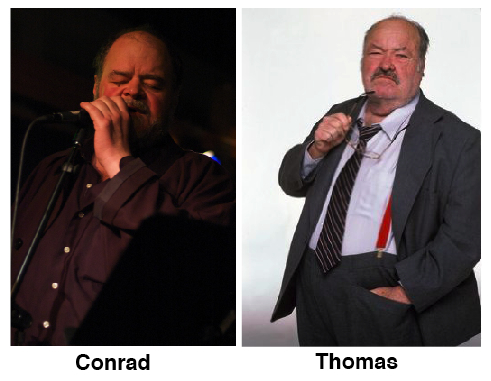
During one moment of attention-wandering, I mused at how much David now looks like corpulent 70s crime-buster Frank Cannon aka William Conrad…
And finally, I can’t resist another quote from David about the band: ‘Pere Ubu is not now nor has it ever been a viable commercial venture. We won’t sleep on floors, we won’t tour endlessly and we’re embarrassed by self-promotion. Add to that a laissez-faire attitude to the mechanics of career advancement and a demanding artistic agenda and you’ve got a recipe for real failure. That has been our one significant success to this date: we are the longest-lasting, most disastrous commercial outfit to ever appear in rock ‘n’ roll. No one can come close to matching our loss to longevity ratio.’ Brilliant.
Sevenoaks Rustfest, The Rifleman, Sevenoaks, February 20th 2010
Laurel Canyon Band, Ty Watling, Nick Dunning, Ian Ravenscroft, Jon Browne, brandnewguy and more
 Sevenoaks was the destination for me and my fellow Neil Young nuts, aka ‘the Rusties’ as we’re rather cultishly known. Fine singer-guiarist Ty Watling’s Laurel Canyon Band were getting together for a night of West Coast music, consisting mostly of Neil Young and CSNY songs, but with some other Californian sounds thrown in, as their name would suggest. But before then, a host of folks dipped in with their musical contributions. And the whole thing was in aid of the well-deserving Demelza House.
Arriving at some point after two o’clock was always going to mean the barrels at The Rifleman were going to take a pounding. And sure enough the Ruddles, Old Hooky and Yorkshire Terrier were all very tasty. Ian Ravenscroft kicked off the afternoon soundchecking a few numbers including The Needle And The Damage Done, which prompted yours truly to join him on backing vocals. This seemed to go down OK with the crowd of three… He also dusted off Neil Young’s rare 80s country song Good Phone:
Let your fingers do the walking / Call me up some time / I’m listed under ‘Broken Hearts’ / Looking for a good time… / I’m your disconnected number now / And you’re a private line.
More people arrived and the proceedings proper kicked off with Nick Dunning singing some of his own songs – delicate and thoughtful – as well as a few of Neil’s, including Love In Mind. Then Ian came on again to deliver a fine set of Neil tunes, of which a flawless Broken Arrow was the highlight. Wilco eat your heart out…
Ty Watling showed off his solo skills with a varied set of covers, including Long May You Run, Townes Van Zandt’s Pancho And Lefty and Warren Zevon’s spirited Lawyers, Guns And Money. A varying selection of acts then pitched in until the Laurel Canyon Band took the stage for a brilliant selection of West Coast tunes, including lots of singalong songs – Down By The River, Rockin’ In The Free World – as well as a fabulous Cortez The Killer.
The festivities didn’t stop there, though. Those of us staying in the hotel nearby made the most of the late bar there and, thanks to Ian’s fine guitar-playing, the singing in the bar continued long into the night, including my own a cappella version of Captain Kennedy.
The occasion also merited bringing out the ‘More Barn’ t-shirt – if you don’t know the story behind this, here’s how Graham Nash tells it: ‘I once went down to Neil’s ranch and he rowed me out into the middle of the lake – putting my life in his hands once again. He waved at someone invisible and music started to play, in the countryside. I realised that Neil had his house wired as the left speaker and his barn wired as the right speaker. And Elliot Mazer, his engineer, shouted, “How is it?” And Neil shouted back, “More barn!”‘


 A Gig's A Gig